01
Start with the village
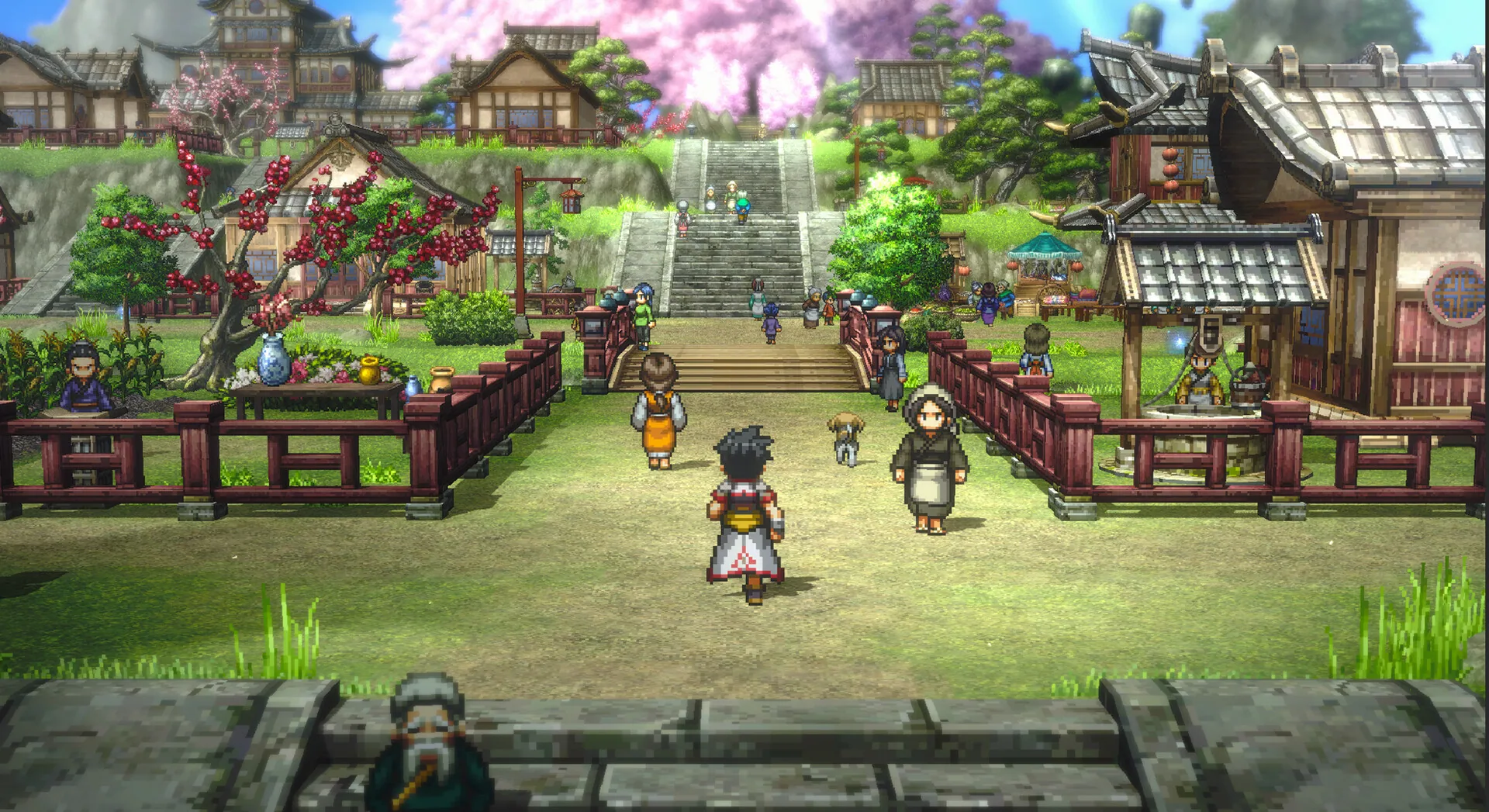
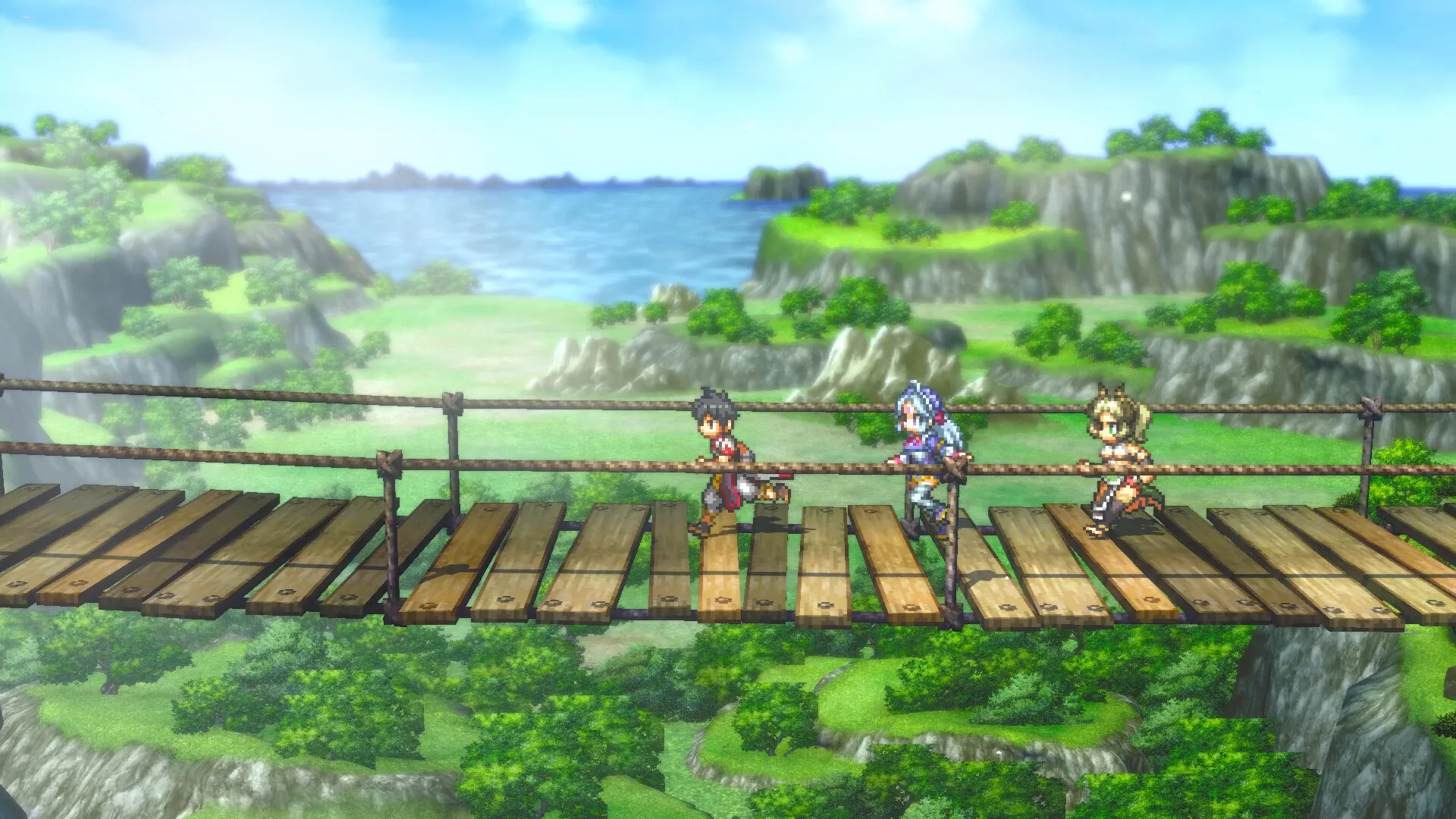
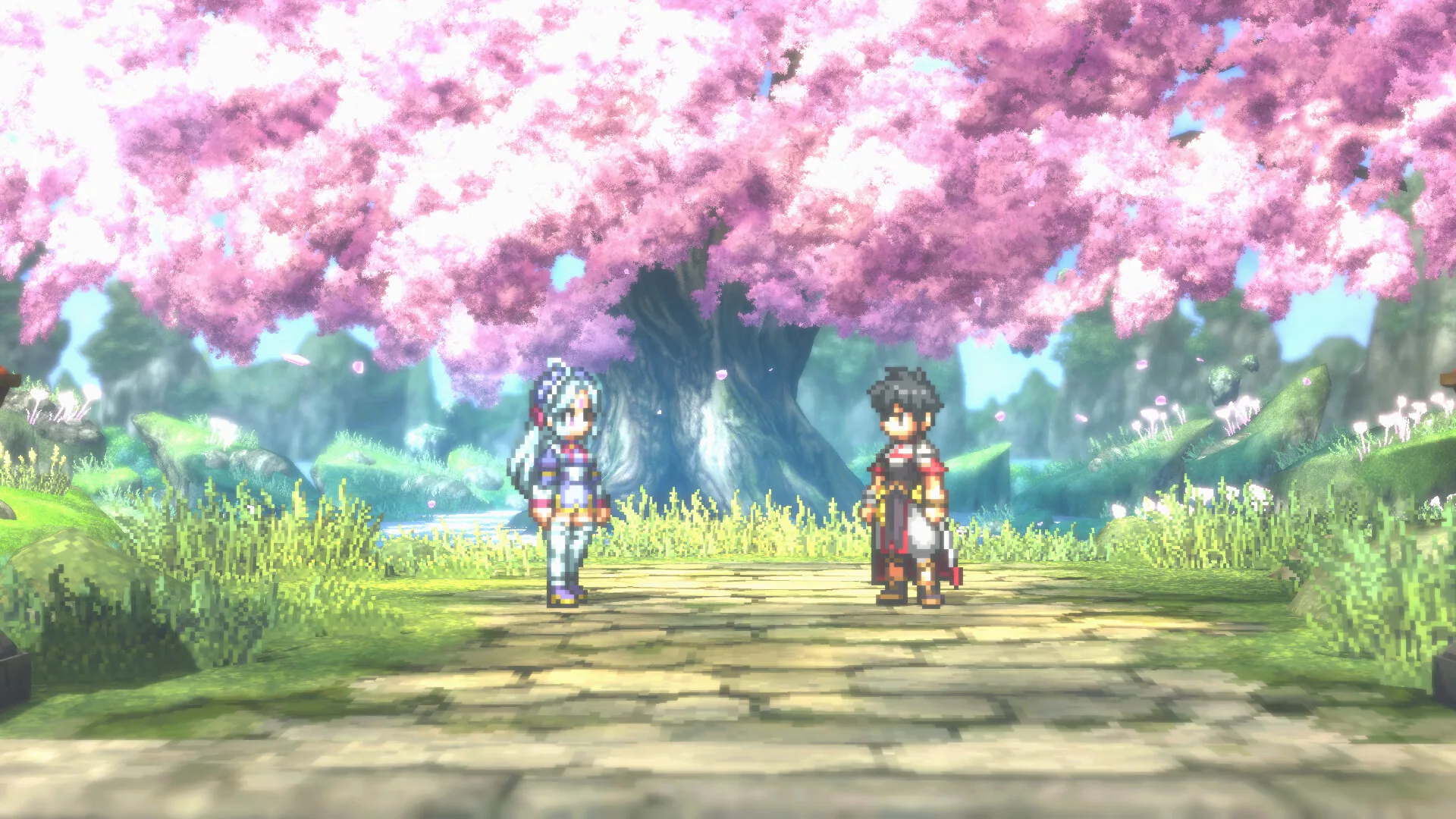
The opening premise is small enough to understand and broad enough to pull the series into motion. The Hero is the son of the village chief, Hou. His home sits beside a lake on the eastern side of the Scarlet Moon Empire, and an attack by unknown enemies changes the shape of daily life. Rather than leaving the village as a backdrop, the story makes its recovery a central promise. Hisui, Shirin, and Shapur stand with the Hero as that work begins, giving the first chapter a cast whose personal ties are as important as the larger historical setting.
The Rune of Change adds a second scale to the premise. KONAMI presents it as one of the 27 True Runes, so the village crisis belongs to a world where local decisions can brush against the oldest powers in the setting. The story reference follows only what the official pages state: Solar Year 453, the village attack, the decision to restore the settlement, and the later rise of Odessa against the Scarlet Moon Empire. The archive keeps those anchors visible so a new player can enter the story without confusing a series connection with a new claim.
02
Read the release surface correctly
The current release record is mobile version 1.0.1 on iOS and Android, with the captured product surface dated 7 August 2026. The Japanese official product information lists iOS and iPadOS 18 or later with at least 4 GB of RAM, and Android 11 or later with at least 6 GB of RAM. Those requirements belong to the mobile record. They are not silently transferred to the Steam listing, which is a separate Windows product surface tied to App ID 3668850.
The Steam store page identifies KONAMI as publisher and KONAMI and MYTHRIL as developers. Its release date is still a pending date in the captured record, so the release desk keeps it separate from the live mobile version. This distinction matters when a player is looking for a current install path, a platform requirement, or a future PC watch point. The version switcher on the release page lets those records be read one at a time instead of merged into a misleading universal status.
03
Meet the published stars
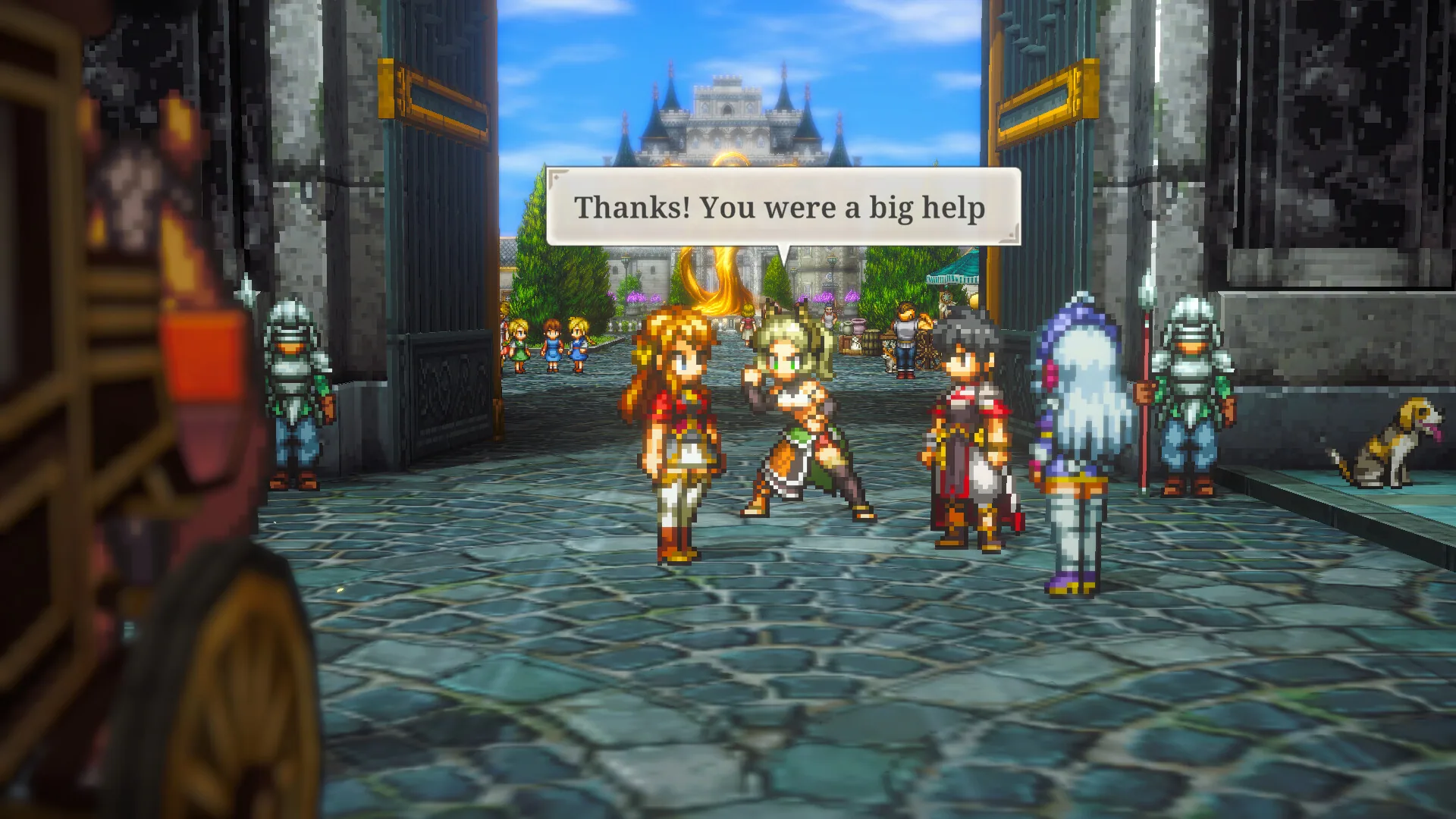
The official character surface exposes 39 records with a name, voice actor, short description, height, and favorite food. The wider series promise is 108 new stars to meet and befriend, but this archive does not turn that promise into a fictional complete roster. The 108 Stars page is therefore a live reading surface for the 39 records that are present in the sealed official character capture. Every card keeps the concrete fields together, while the Hero has a dedicated page for players who want the protagonist details without scanning the full grid.
Search is built for the way players actually remember a character. Enter a name fragment, voice actor, favorite food, height, or a word from the official description and the visible count updates immediately. The height lens uses published bands rather than inventing a tier list. Up to three records can be placed on the comparison desk, where voice, height, food, and description sit in aligned columns. A selected card keeps its state through the interaction, so comparison is a reading aid rather than a decorative button.
04
Choose a player lens
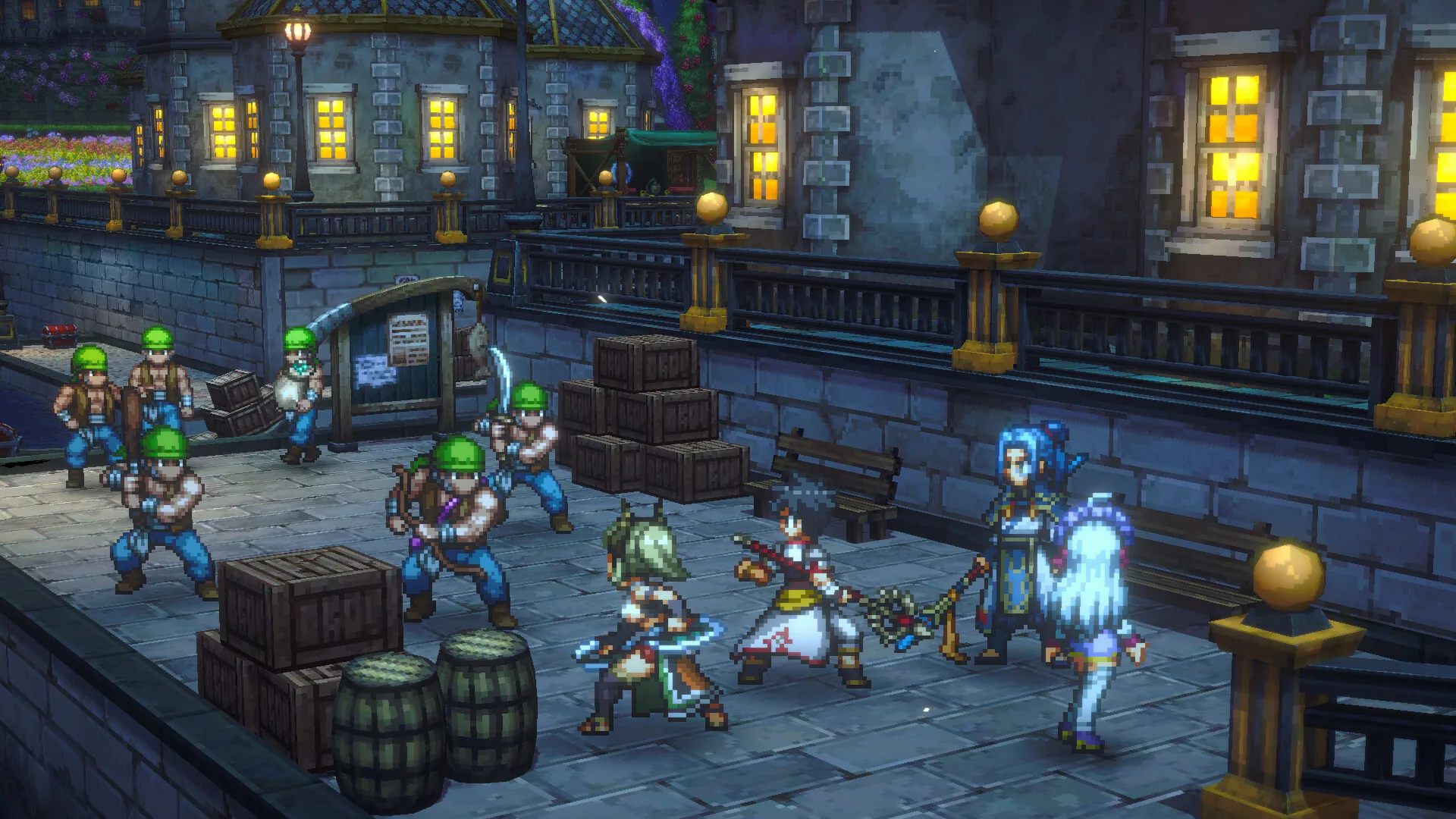
For combat, begin with Timeline Turns. Normal battle is timeline-based and turn-based, with normal attacks, runes, and special techniques named as distinct choices. War Mode changes the rhythm into real-time strategy with simultaneous enemy and ally units. Party Edit supports up to six units arranged across front and back positions, which makes formation a real part of the battle language rather than a cosmetic label.
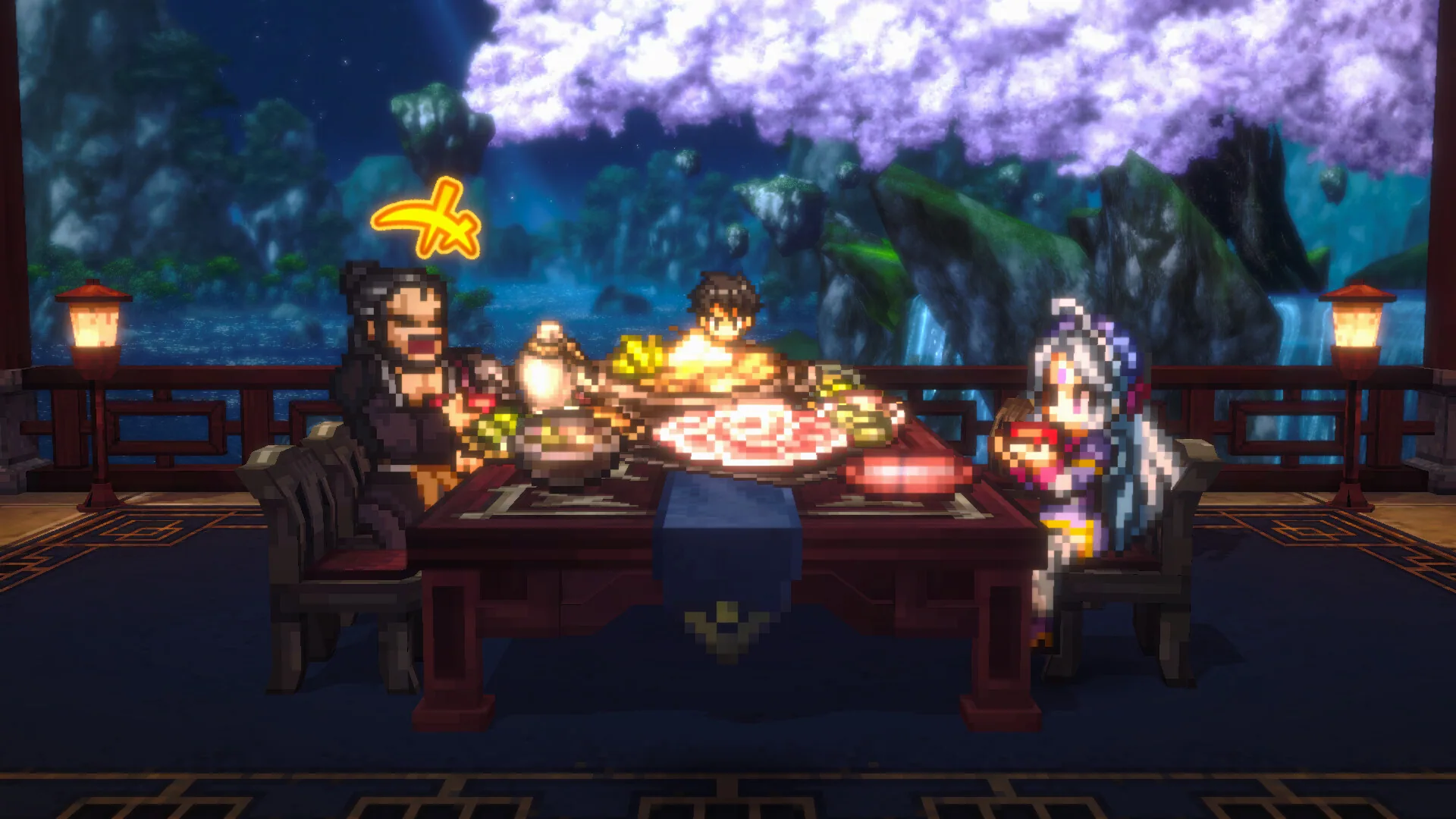
For the quieter loop, Village Restoration, Frontier Activities, and the field-data desk follow the official surfaces for base rebuilding, daily shop updates, training, exploration, and fishing. The Mirage Tower, Academy Interior map, and Alpha Ulse pages are compact observed references from community data; they are marked noindex and keep their capture scope visible. The Watch page gathers four official trailers with click-to-play facades. Together the routes make a practical path from premise to cast to systems to the parts of the game that are still best read as a snapshot.